
 +62(0)21 4600 811


Coal handling in transition: engineering cleaner and more efficient bulk transfer
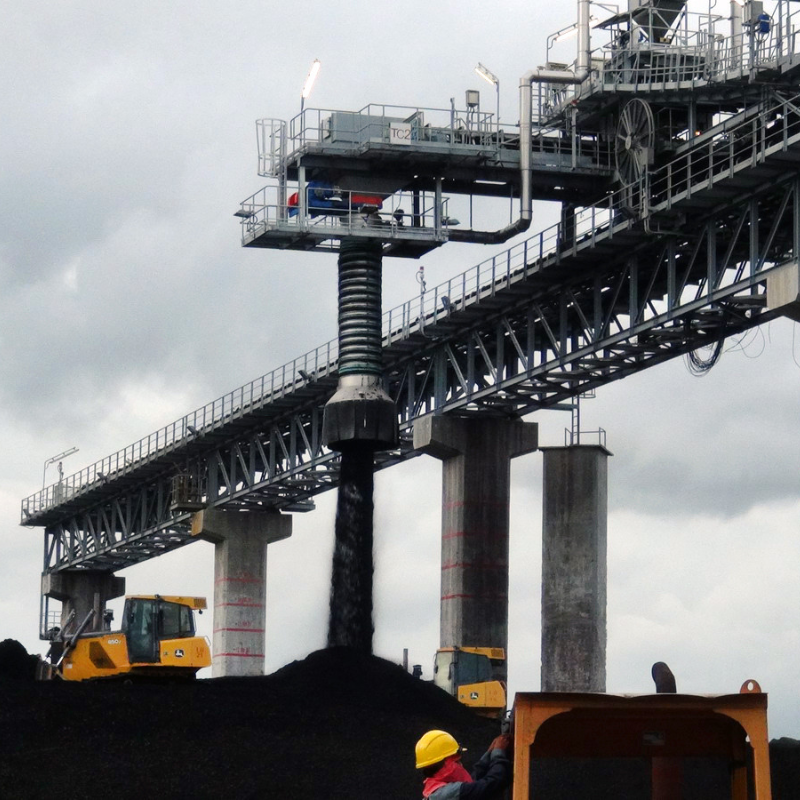
Despite long-term decarbonisation strategies in many regions, the material remains indispensable to steelmaking, cement production and power generation, particularly across Asia, Africa and parts of Eastern Europe. From export terminals and inland ports to rail-linked power plants, coal accounts for a substantial share of bulk solids moved each day, placing sustained pressure on handling infrastructure to deliver high throughput while meeting increasingly strict environmental and safety expectations.
The scale of coal movements brings distinctive operational challenges. Unlike many agricultural bulks, coal is highly abrasive and prone to generating fine dust during transfer. Spillage and airborne particles affect not only product loss and housekeeping, but also regulatory compliance and workforce safety. At ports and railheads, where transfer rates must remain high to avoid bottlenecks, operators face the dual task of maintaining productivity while limiting emissions that may drift beyond site boundaries. These competing demands are reshaping investment priorities in bulk handling equipment, with renewed attention on controlled loading technologies.
Dust control has become a defining issue. Coal fines released during loading can settle on mechanical components, accelerate wear and contaminate surrounding areas. Over time, this increases maintenance frequency and heightens the risk of unplanned downtime. Environmental permitting frameworks in many countries now impose specific limits on particulate release during bulk transfer, making traditional open-chute loading methods increasingly difficult to justify. As a result, terminal operators are turning to enclosed or semi-enclosed systems designed to stabilise the material stream from discharge point to wagon, truck or barge hold.
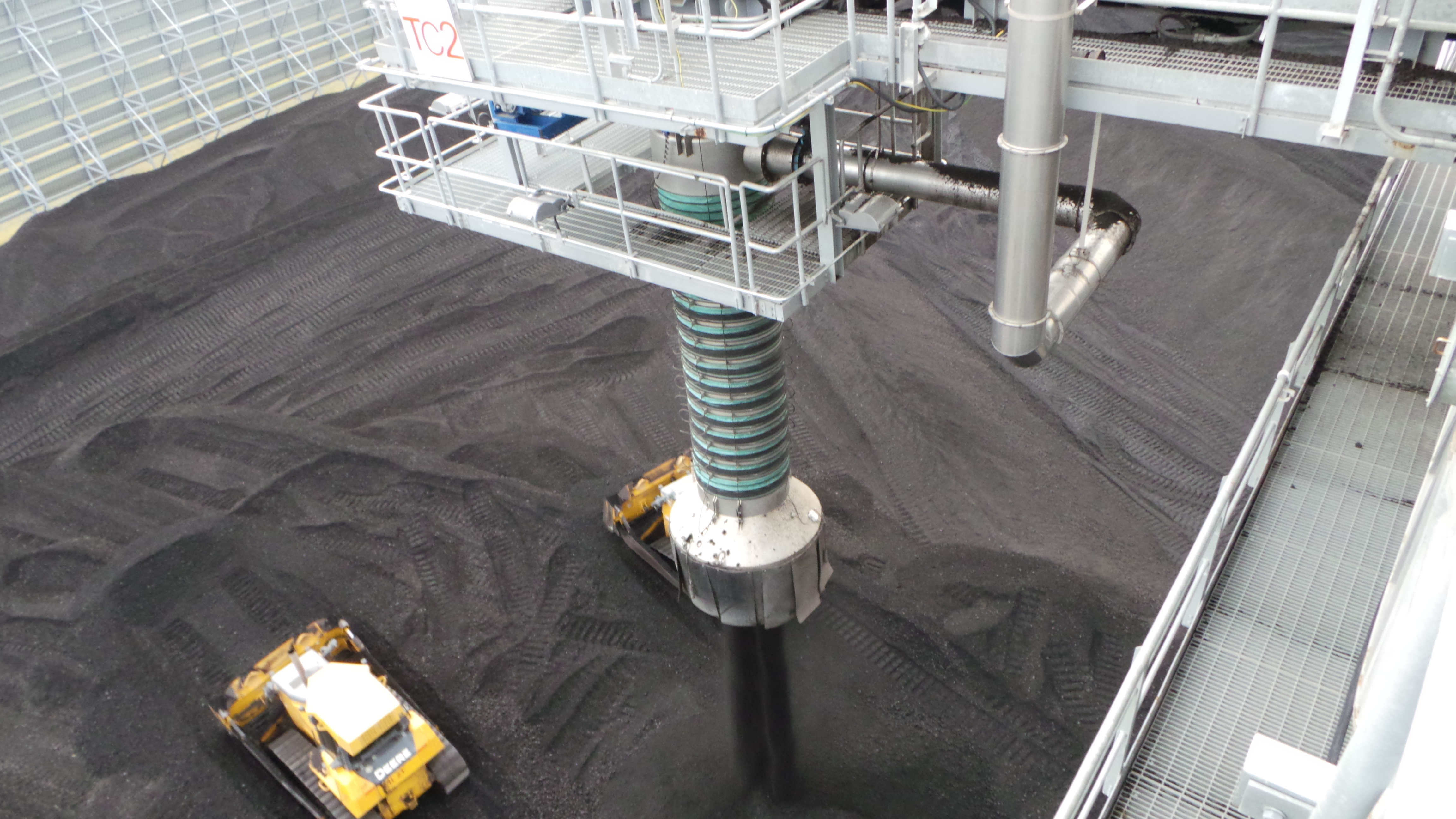
Among these technologies, telescopic loading bellows have assumed a more strategic role. Once regarded as ancillary equipment, they are now positioned as a primary interface between conveying systems and transport units. By extending into the receiving vessel and forming a controlled discharge channel, loading bellows reduce the free-fall distance of coal and limit turbulence within the flow. This approach addresses several operational pain points simultaneously, cutting dust formation, improving loading accuracy and supporting compliance with site emission targets.
Within this segment, TOREX loading bellows exemplify how engineering design is adapting to the evolving coal market. Developed as part of WAMGROUP’s bulk solids portfolio, the systems are intended for high-duty applications where abrasive materials and variable loading geometries are the norm. Their configuration typically combines wear-resistant fabrics with internal cones or liners that guide the coal stream while protecting the bellows structure from direct impact. External hoisting mechanisms keep lifting components out of the material flow, reducing contamination and prolonging service life in dusty environments.
For coal terminals handling rail wagons or barges, alignment and reach are equally critical. Variations in wagon hatch positions or barge hold profiles can lead to misdirected loading and spillage if the discharge point cannot be accurately positioned. Motorised positioning carriages and extended-stroke bellows have therefore become important features in modern installations. These allow a single loading point to serve multiple compartments without repeated vehicle repositioning, improving turnaround times while maintaining consistent discharge conditions.
Environmental performance increasingly shapes equipment selection. Integrated dust collection options, mounted directly at the bellows head, are designed to extract displaced air from the receiving vessel and filter entrained particles before release. This localised approach avoids the need for extensive return-air ducting and is particularly suited to retrofit projects, where space constraints often limit the feasibility of large external filters. In coal handling, where dust loads are high and moisture content can vary, such compact solutions offer a practical route to improved containment without major civil works.
The market context for these developments reflects wider trends in bulk logistics. Sustainability targets are encouraging operators to invest in cleaner transfer systems, even in sectors traditionally associated with high emissions.
At the same time, much of the world’s coal infrastructure is ageing. Many terminals were designed decades ago for open loading practices that are no longer acceptable under current environmental rules. Modernisation projects therefore tend to focus on upgrading the transfer interface rather than replacing entire conveying lines. TOREX Loading bellows systems, with their modular construction and adaptable mounting options, fit well within this approach. They can be installed above existing discharge points and configured to match different wagon or vessel types, allowing incremental improvements without extended shutdowns.
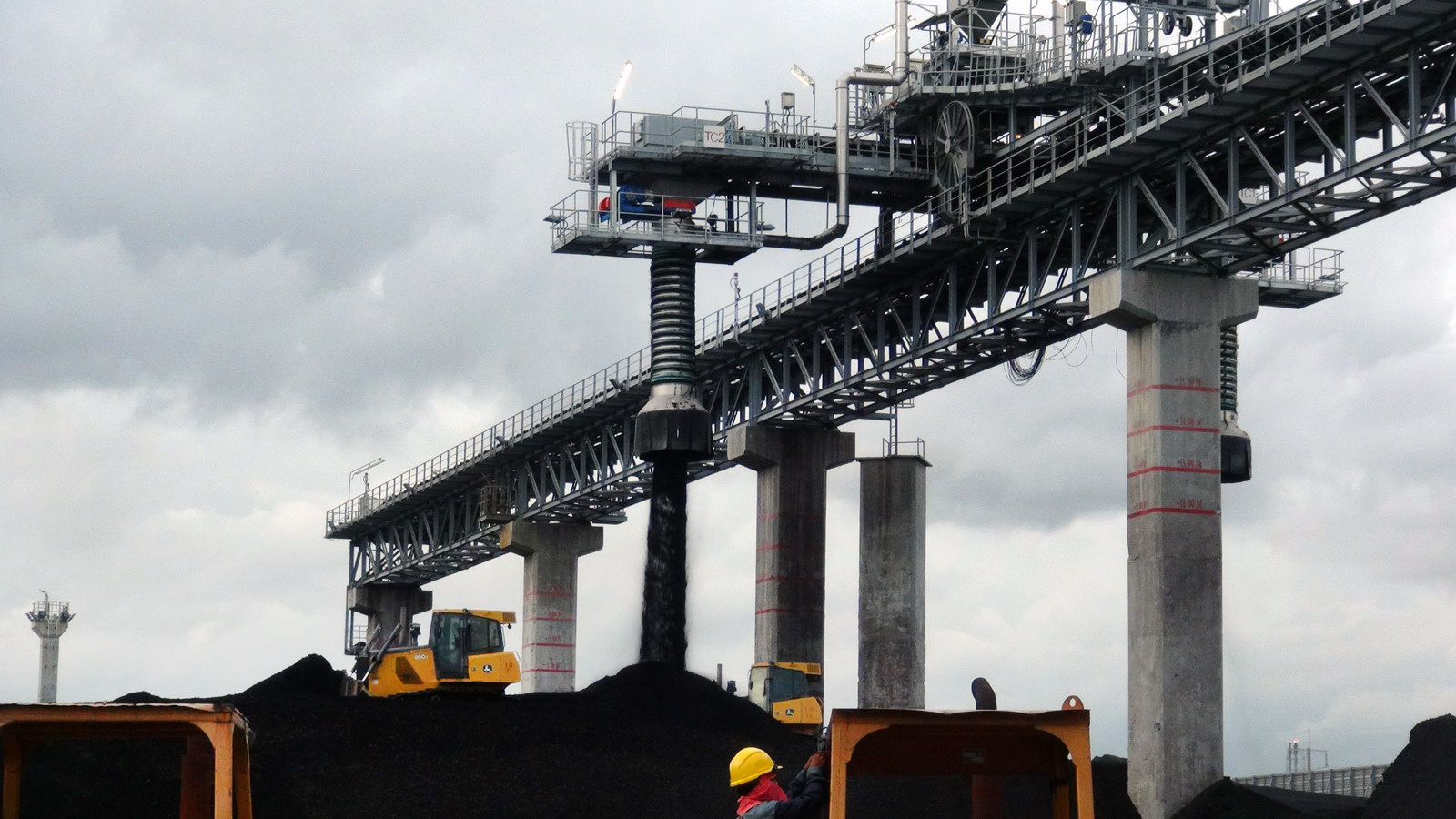
Regulatory pressure on dust control shows little sign of easing. Urban expansion around ports and inland terminals has increased scrutiny of visible emissions, while occupational health standards continue to tighten. In this context, the role of engineered discharge systems is shifting from optional enhancement to essential infrastructure. Coal operators are expected to demonstrate not only that material can be moved efficiently, but that it can be done with due regard for environmental impact and workforce protection.
Looking ahead, the handling of coal is likely to remain a test case for the bulk solids industry’s ability to balance throughput with responsibility. Although long-term energy strategies may alter the overall demand profile, current volumes ensure that coal will continue to challenge designers of transfer equipment for years to come. Advanced loading technologies, such as telescopic bellows with integrated dust control and automated positioning, offer a means of reconciling these pressures.
By stabilising the discharge stream and enclosing the critical transfer zone, such systems help reduce emissions at source rather than relying solely on downstream mitigation. In doing so, they support a more controlled and predictable loading process, aligning operational efficiency with environmental objectives. For plant managers and terminal operators navigating an increasingly regulated landscape, this convergence of productivity and compliance is fast becoming the defining criterion for investment in bulk handling solutions.


